The Enchanted Manuscript Of Elisabetta Esther

  • Far From The Madding Crowd Book

    Far From The Madding Crowd Book

    Far From the Madding Crowd book is an 1874 novel by the English novelist and poet Thomas Hardy. It is one of his notable works, and the title comes from a poem by Thomas Gray. The novel’s main character is Bathsheba Everdene, and the events take place in the rural southwest of Victorian England. 
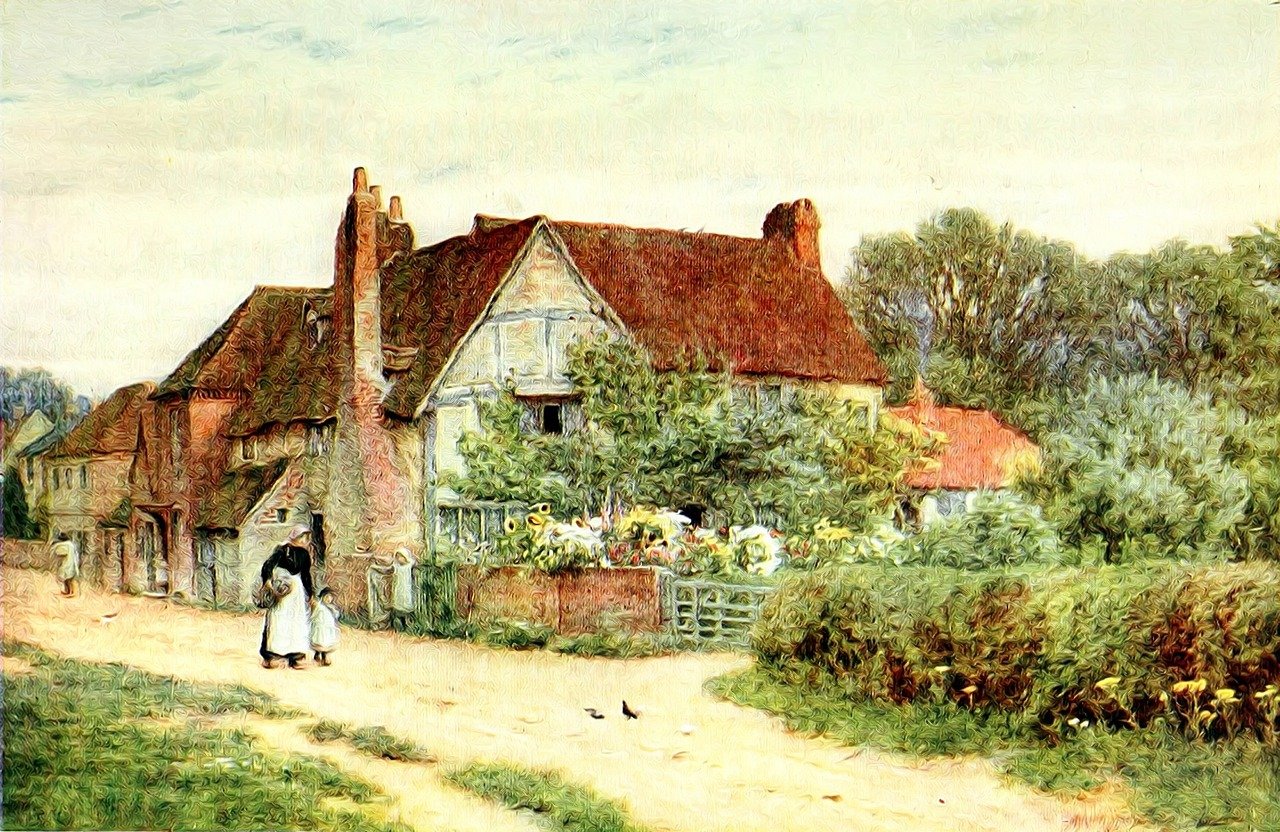
    Far From The Madding Crowd Book countryside
    Image by Prawny from Pixabay

    The beginning of Far From the Madding Crowd book

    Far From The Madding Crowd occurs in rural Victorian England. Bathsheba Everdene is an independent and unconventional girl who does not dream about marriage. In different occasions, she had met Gabriel Oak, a shepherd who falls in love with her. Bathsheba inherits the farm of her late uncle, farmer Everdene, who was “a very good-hearted man”. Her parents were “towns-folk”, and they died years ago leaving the girl an orphan. Bathsheba makes the acquaintance of Mr Boldwood, who is a handsome and rich gentleman-farmer. In the past, Bathsheba refused the marriage proposal of Gabriel Oak, believing that he was not quite good enough for her, even though she “rather liked Gabriel”. Although Beersheba is not familiar with a farm’s administration, she gathers all her workers announcing her intention to do her best and help them if they were serving her properly. For Bathsheba being a woman is not a limitation. Indeed she is an agriculturist and the responsible and manager of the entire farm. 
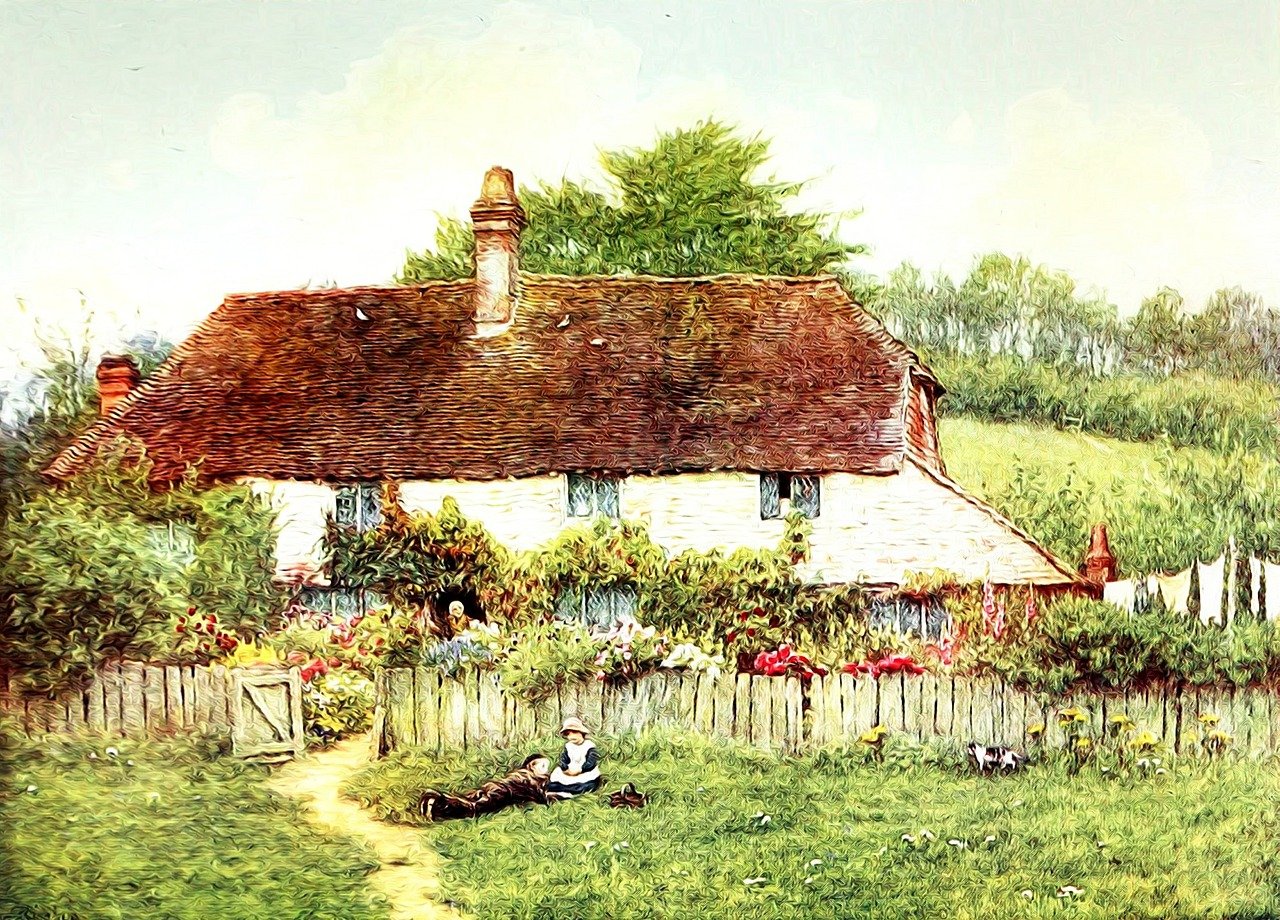
    Far From The Madding Crowd Book countryside
    Image by Prawny from Pixabay

    Life in Weatherbury Upper Farm and beyond

    With the time Bathsheba acquires confidence in her business, talking boldly to men. Bathsheba is firm, but not obstinate; in fact, she is flexible and sometimes naive. The beauty of Bathsheba is magnetic and charismatic, and it is manifest even as mistress of a farm and house. Meanwhile, Fanny Robin, who is one of the servants of Bathsheba, secretly went to meet her lover, Sergeant Frank Troy, who is a boaster and poser. The “honest” Frank tricks Fanny, letting her believe that he would marry her when his intentions are merely the ones of a skilful player. The charm of farmer Boldwood struck Bathsheba even if William appears as an indifferent and reserved person. Nevertheless, when he makes her an offer of marriage, initially she refuses because she is not in love with Mr Boldwood.
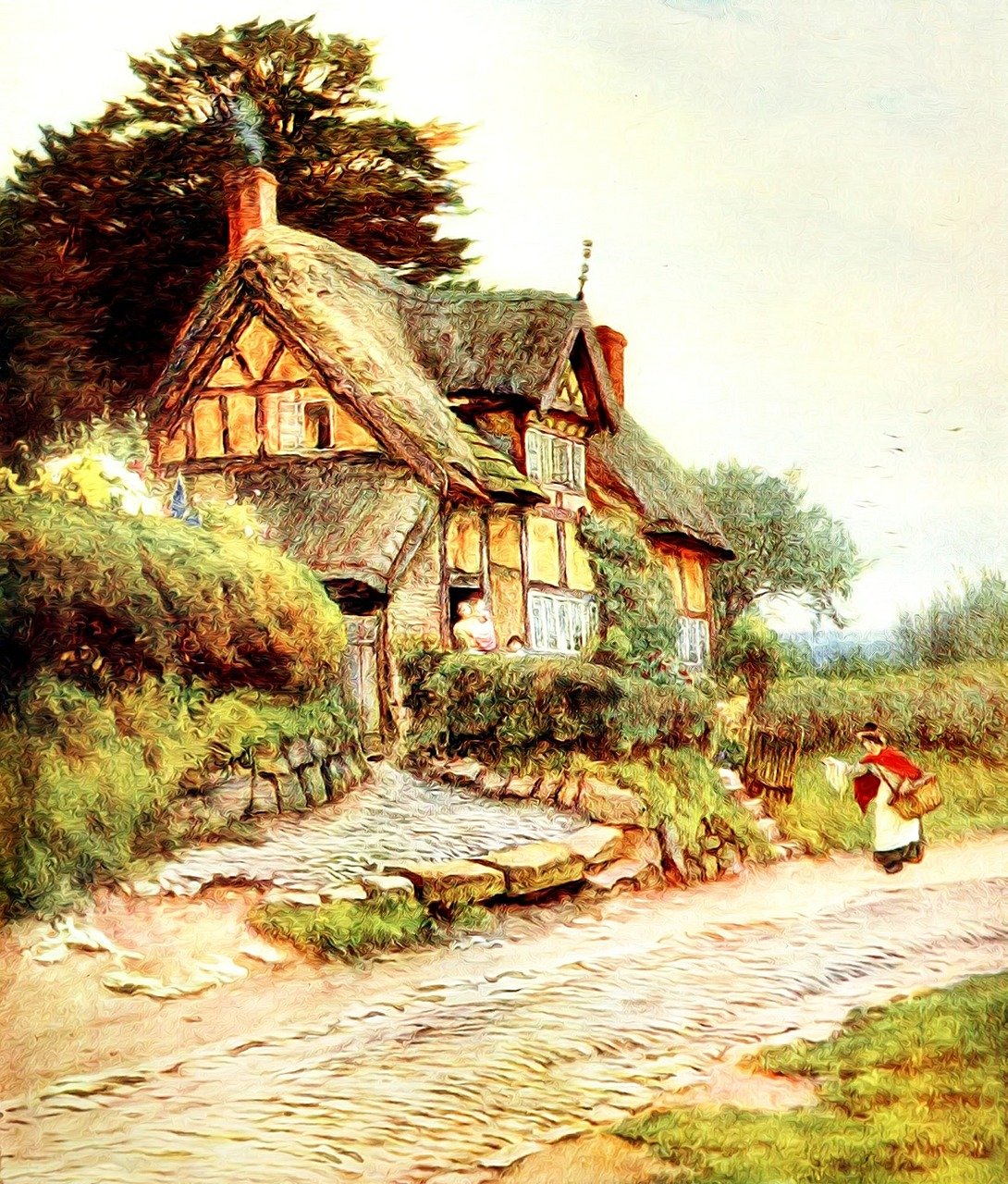
    Far From The Madding Crowd Book house style
    Image by Prawny from Pixabay

    As time passes in Weatherbury

    Weatherbury was immutable in comparison with cities. In Weatherbury, the passing of time was unchangeable, and the ageless life had a sort of staticity. Furthermore, as time passes, different unexpected events occur in the life of Bathsheba Everdene. In a night, Bathsheba runs into Frank Troy, who was wandering in her land. The crafty Frank skillfully knew how to get the attention of Bathsheba. Indeed, he was a master in boasting and deception. Hence, he started to flatter her with compliments and sweetish gallantry, unlike Boldwood, who had never told her she was beautiful. Sergeant Troy was a lier with women and relatively honest with men. For instance, “he could speak of love and think of dinner; call on the husband to look at the wife; be eager to pay and intend to owe”. Although he firmly believed that while interacting with women “the only alternative to flattery was cursing and swearing”. 
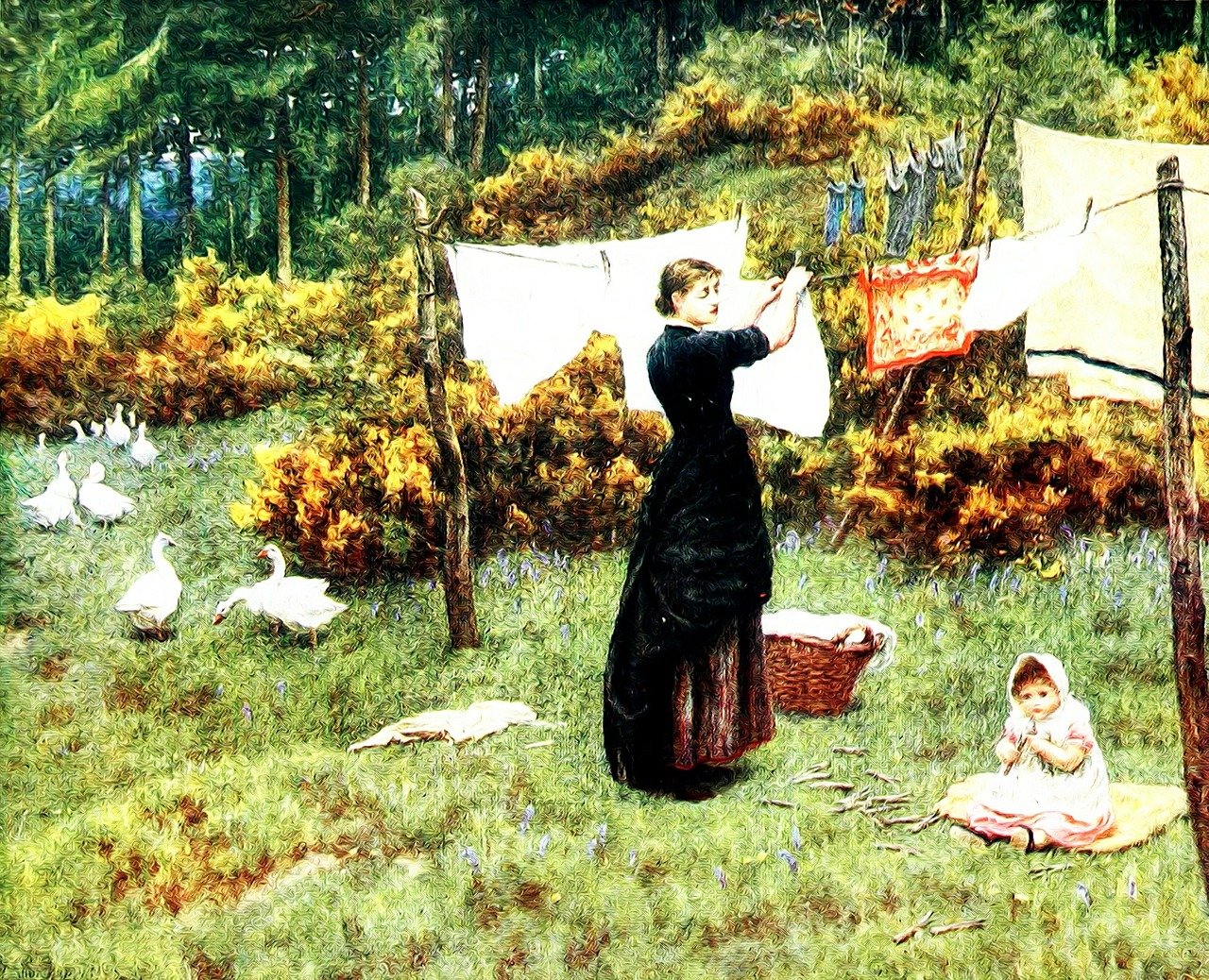
    Image by Prawny from Pixabay

    The Queen of the Corn-market in love

    Sergeant Troy starts to work as a farmer in the fields of Bathsheba, and they meet on other occasions. Bathsheba is in love with Frank Troy and as strong woman she throws away her strength. For the first time in her life, she embraces a woman’s weakness having discovered the “true” love; hence she is twice as weak as the other women. In a certain way, Bathsheba refuses to control her feelings and behave carefully. The ostentatious charm of Troy is manifest plainly, but his “deformities” are well-hidden. Differently, Oak’s defects cover his virtues. In this moment of apotheosis of love, Bathsheba gets rid of Gabriel and rejects Boldwood’s proposal. She blames herself, believing that “love is misery for women always”. Bathsheba is obstinate in her blind love, firmly being sure that Troy is a good and wildly steady man.
    Image by Prawny from Pixabay

    A wedding and a storm

    In Far From the Madding Crowd book, the author often describes the beauty of nature in Weatherbury as seasons change. It is amiable to wander with the imagination in this landscaped novel. In this book, the characters have multifaceted traits on different occasions as the several shades of colour in the countryside’s beautiful nature. Bathsheba and Frank get married, and suddenly Frank assumes the features of the arrogant landlord. When a big storm wrapped the farm in a night, “Love, wife, everything human, seemed small and trifling in such close juxtaposition with an infuriated universe”. That very night, Bathsheba found herself alone with Gabriel. At the same time, “the sky was now filled with an incessant light, frequent repetition melting into complete continuity, as an unbroken sound result from the successive strokes on a gong”. While Gabriel Oak is always supporting Bathsheba in the most adverse moments revealing himself “generous and true”, her husband, Mr Frank, never cared for Bathsheba. That very night he went to sleep being drunk after a hangover.
    Image by Prawny from Pixabay

    Bathsheba’s anguish

    Bathsheba finds out the truth about her husband’s past relationship with Fanny Robin. Her despair enhances after Troy’s confession; indeed, he does not consider her as a wife anymore, rejecting her. For the first time in his life, Frank Troy hates himself feeling miserable, and he decides to leave the village. Bathsheba never embraced the idea of marriage, like most women. Indeed, she had married Troy in “a turmoil of anxiety and emotionality”. She had always been an independent girl, and now she regretted to had become “the humbler half of an indifferent matrimonial whole”. With the time, indifference overcame Bathsheba Everdene, who contemplated her fate as a “singular wretch”. Dark were her prospects as her original traits of youth deteriorated in cold indifference. It was like she was waiting for her end, accepting her inexorable fate. 
    Image by Prawny from Pixabay

    The madness of Boldwood in Far From The Madding Crowd book

    The obsession of Boldwood over Bathsheba led him to madness at the point of forcing her to promise to marry him. Since William Boldwood makes Bathsheba feel guilty for having “tricked” him, he doesn’t give her a moment of peace. He is pushy in asking her forcibly to marry him. And the guilt inside her pushes Bathsheba to force herself to accept the “proposal”. Also, she is frightened by his madness, and she was “in a very peculiar state of mind, which showed how entirely the soul is a slave of the body”. The blankness and dullness of Boldwood’s life is a significant reason to focus on Bathsheba obsessively, being his mind completely insane. And “his natural manner has always been dark and strange”. His madness reaches its apotheosis when he shoots Frank Troy, who came back after a long disappearance to get his wife back for financial reasons. Both Troy and Boldwood disappear from the life of Bathsheba, leaving her in peaceful freedom. 
    Image by Prawny from Pixabay

    The happy end of Far From The Madding Crowd book

    Far From The Madding Crowd is a novel with a happy ending, and it deserves a reading to discover it. Indeed, after a long period of loneliness, Bathsheba starts a new life. This pastoral and historical novel is a tragicomedy. The characters of Boldwood and Troy are somehow caricatural and ridiculous in their tragedy. Even if, at the beginning of the book, Bathsheba is an independent, cheerful and careless girl, her magnetic beauty is the cause of her downfall. She falls in a pit of anguish and despair as soon as she gets involved with Boldwood and Troy. Indeed, Miss Everdene had lost the whimsical feature to become a wise and humble girl with the time. Although the Bathsheba Everdene is a woman who endured abusive relationships, she begins a new life. Even though the novel occurs in the Victorian age, the heroine is an educated and independent girl, who becomes manager and mistress of a big farm at an early age.
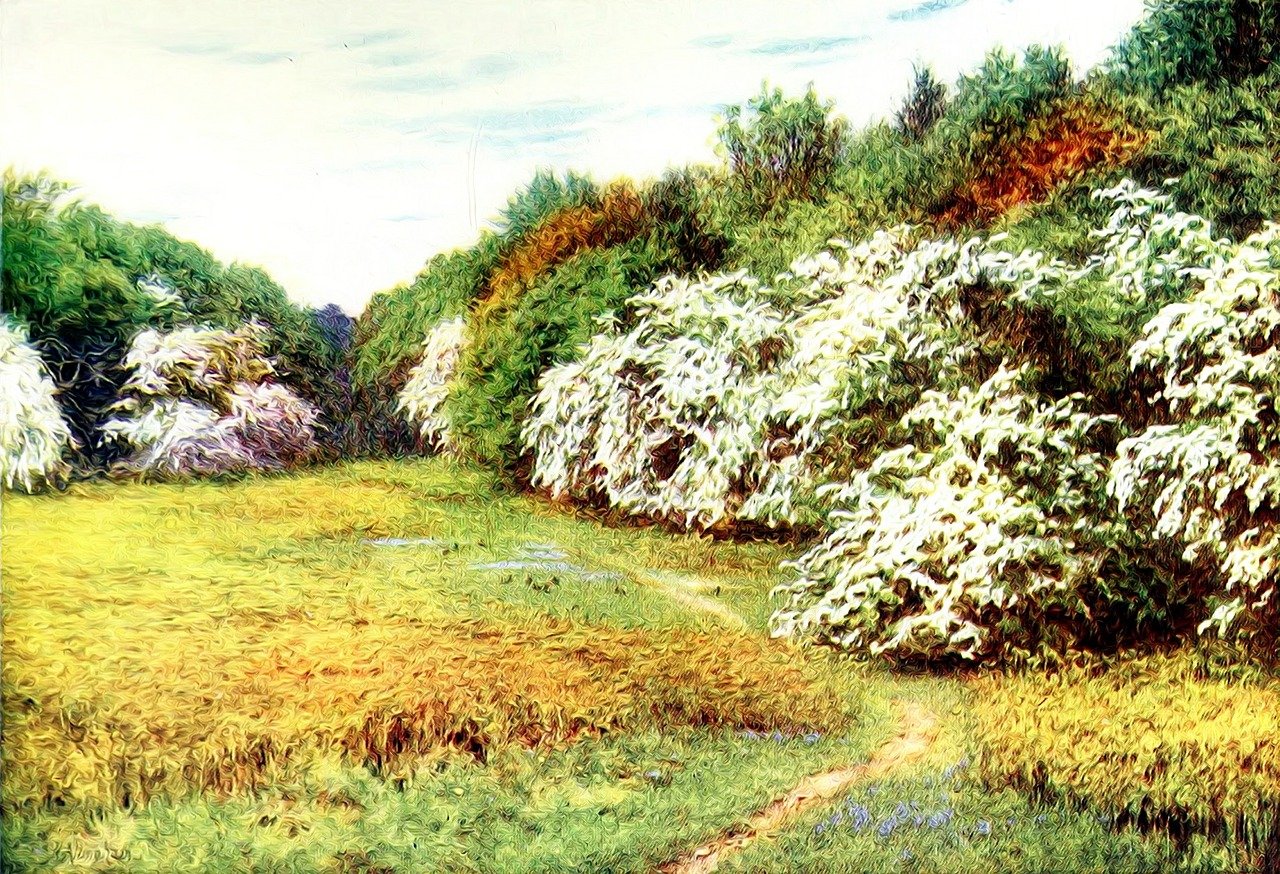
    Image by Prawny from Pixabay

    The unusual heroine of Far From The Madding Crowd book

    Bathsheba Everdene is the unusual heroine of a Victorian novel, a powerful and talented woman in the rural Wessex. Thomas Hardy associates her to the Greek goddess Diana, the goddess of the countryside and wilderness. Indeed, in this pastoral tale, Bathsheba is the personification of Diana. She is hardworking, fierce and brilliant. Nevertheless, she falls in a trap when she meets Troy, who deceives her. Bathsheba doesn’t follow the conventional rules of her period. Indeed, she doesn’t want to marry like the other women. Bathsheba desires to pursue the business of her farm. She trades with men, and she is unafraid to inspect the factory alone at night. Even if she is wealthy, she gets up early every morning and fulfils her tasks as a sovereign manager, taking full responsibility of the farm. Thomas Hardy was a feminist in the Victorian age, which represented the “Age of Reform”. I’ve read this digital edition in Apple Books. 

  • The Unadorned Truth

    The Unadorned Truth

    The Unadorned Truth

    The unadorned truth hangs from the tree of life
    Dry branches break when facing a gust of wind
    Shivering emotions fluctuate in the ethereal world of the senses
    Far from the common discernment of the reality
    The truth is an inaccessible treasure
    Only time and wisdom can unveil it
    Humbleness is a silent and invisible virtue
    It hides somewhere in the soul
    But the external noise hushes it
    The stars gleam timidly in the dark blue of the night
    When dismay is ineluctable, darkness is my haven
    My heart is in grief and my mind in the obliviousness.
    Esther Racah

  • Losing Everything

    Losing Everything

    Losing Everything

    Losing everything I try to cherish
    Every treasure has been taken away from me
    Loss can sometimes be gain
    And grief can sometimes be a relief
    So many emotions constellate the firmament of the soul
    As stars shining in different colour shades
    The incorporeal layers which coat my thoughts vanish with the time
    Astonishment and perplexity lead my life as I wander blindfolded
    Even when I strive to refrain from anxiety
    I fall into a bottomless pit of agony
    Surrounded by torments and fears
    I surrender to stupor and melancholy
    And as I try to flee
    The dreadfulness of life chases me down
    I give way to exhaustion and despair.
    Esther Racah

  • Drifted Away

    Drifted Away

    Drifted Away

    Drifted away in an abstract dimension
    My soul wanders in the eternity
    The shining blue sky surrounds the bright golden sun
    My intangible thoughts are like colourful brush strokes
    Even when everything is still and timeless
    All the distress and concerns vanish
    I feel free and ready to rebuild my castle of dreams
    Dreams which I previously threw away as useless pebbles
    Destiny stares at me behind an arcane veil
    Sometimes memories are burdens
    To avoid disappointment, it is unnecessary to have expectations
    Life cannot be described with words
    Since it’s much more complex than it
    Irrational is the way I embrace occurrences that I cannot control
    Learning to endure adversities in a bitter silence
    While the tumultuous river of circumstances swallows me
    It is challenging the attempt to avoid drifting away.
    Esther Racah

  • Plastic Faces

    Plastic Faces

    Plastic Faces

    Plastic faces mimic a seductive emptiness
    Solitude is a trap that makes us thirsty for attention
    Pride feeds on superficial knowledge
    While vanity subjugates the eyes
    Artificiality is the new trend
    And superficiality is the new attire
    Nowadays, faces are similar to assembled cars
    Plastic ducks desperately seek attention from a shallow multitude
    Since individuality and imperfections are the enemies of this society
    Everything must be smooth and polished like shining plastic
    The store of our patriarchal society sells faces and bodies
    Plastic shells please hollow minds
    Image is everything, and content is shallow
    We should treasure culture like an exquisite gem
    Nevertheless, the ordinary flow of banality brutalises everything
    The capitalism and exploitation of individuals created this society
    Persons are considered soulless numbers without a name
    Members of a crowd of anonymous who are just invisible nobodies
    Silence is consent and the origin of anguish
    Everyone should be responsible for a change
    Society should not be based anymore on lookism
    The vicious superficiality feeds on ignorance and indifference
    Society should erase every kind of discrimination and bigotry
    We should empower intellectualism and erudition
    Individuality and integrity should not sink in the mud of stupidity
    And being poetry ethereal and metaphysical
    It feeds arid souls in a desolate reality.
    Esther Racah

  • The Stillness Of Life

    The Stillness Of Life

    The Stillness Of Life

    The stillness of life is like a steel sculpture
    Cold and immovable is the course of the events
    No emotion can perturb the fate
    As it is like a constant and perpetual motion
    Like the falling of silvery snowflakes
    Swirling under the influence of cold winds
    Hallucinations are daydreams of insoluble enigmas
    Life flows like a waterfall
    The silence is my haven
    The noise destroys my soul and mind
    Too many words are worthless, like dust falling down
    Despair doesn’t seek a solution
    Since it feeds on an irrational need for peace
    Vulnerability and frailty produce a burst in my mind
    And I try to tolerate the inevitable fate.
    Esther Racah

  • The Enchanted April Book

    The Enchanted April Book

    The Enchanted April book is a 1922 fictional novel by Elizabeth Von Arnim. It takes place in 1920 between England and Italy. The main characters are four different English women who organise a holiday in Italy because they want to have a break from their dull life. Elizabeth was a British novelist who was born in Sidney, Australia. This book is the tenth novel in my second list of books. 

    The Enchanted April takes place in Castello Brown

    The Enchanted April Book

    In the Enchanted April book, the main characters are four English ladies: Mrs Lotty Wilkins, Mrs Rose Arbuthnot, Lady Caroline “Scrap” Dester and Mrs Fisher. All four ladies lived a dull life in the “rainy” Hampstead, and they decided to flee from their families and friends for a period. In particular, Lotty and Rose didn’t enjoy their arid, monotone and cold marital relations. Mrs Wilkins had found an advertisement about a holiday in Castello Brown, an Italian 16th-century castle in Liguria. Lotty was fascinated by the advertising with the following captivating description: “to those who appreciate wisteria and sunshine in a small medieval Italian castle on the shores of the Mediterranean”. Shortly, Lotty Wilkins met Rose in the Woman’s Club in London. In the following days, Lotty and Rose arranged their journey. And they involved two other ladies in sharing the expenses because of their precarious financial situation. 

    The Enchanted April Book Landscape

    The Beginning Of The Italian Journey

    The owner of the mediaeval castle is an Englishman, Mr Briggs, who was living in London. Lady Caroline Dester and Mrs Fisher join the Italian trip. Indeed, both of them are determined in their desire to break for a month away from their families and friends. Caroline is a single beautiful and enchanting socialite, and Mrs Fisher was an elderly widow with memories from the Victorian era. The beginning of this trip to Italy was not as they expected because of the weather. It rained, but the rain was Italian, after all! Indeed the Italian straight rain was far better than the British one! San Salvatore was on the top of a hill. April was the best month to enjoy the Italian weather, and the ladies started their journey among delightful landscapes and nature. Indeed, in the book, there are many descriptions of this beautiful place. 

    The Castle’s Life

    San Salvatore beauty relied even on the small details such as small gardens on different levels. The ladies were attractive and pretty in their bright clothes. Each one of them was pretty different and in particular, Caroline was the most independent one. Scrap spent as much time as she could by herself. She used to seek solitude lying senseless in the sun because she intended to be somewhere away from her family and friends, forgetting everything.  Caroline was committed to meeting the other ladies only on the occasion of the meals. In the beginning, Rose and Lotty enjoy the absence of their husbands. However, with the time they sent invitations to their spouses. Scrap feels the future invasion of those men as a potential danger for her peaceful stay, and she cannot understand the feelings of affection and love. Indeed, during all the journey, she gets more acquainted with Lotty Wilkins whose kindness and goodness is contagious. 

    The Enchanted April book landscape

    Love And Enchantments

    The ladies are not indifferent to this magical place’s effect, and since the first day, their temper and disposition change. Lotty misses her husband, and she pushes Rose to invite her husband as well. The two men don’t miss this occasion, and they accept the invitations of their wives. The amiability and harmony permeate the group of visitors. Mrs Fisher changes her temper and inclination becoming amiable and sweet. Caroline is the last person to surrender to love being used to reject every admirer who fell in love with her. Lady Dester learns to open herself to the emotions and lose her fears of loving and being loved. She finally stops “getting rid of things”. The splendour and the exquisiteness of nature overwhelmed the “blank emptiness” of Caroline’s heart. 

    The Scent Of The Acacias

    The Enchanted April book has a happy ending with the scent of the acacias. The tones of this novel are sweet as the fragrance of the garden flowers which saturated the castle. It is full of beauty and descriptions of the beauty of nature. Flowers and gardens influence human feelings with their beauty and fragrances. In this novel, nature casts a spell on everybody. And everyone is powerless in front of such enchantment. “Indeed, the whole garden dressed gradually towards the end in white pinks and white banksia roses, and the syringe and the Jessamine, and at last the crowing fragrance of the acacias. When, on the first of May, everybody went away, even after they had got to the bottom of the hill and passed through the iron gates out into the village they still could smell the acacias”. This book is a virtual voyage to an enchanting Italy. I’ve read this digital version of the Enchanted April book.

    The Enchanted April Book Scenario

  • A Red Windflower In The Snow

    A Red Windflower In The Snow

    A Red Windflower In The Snow

    When difficulties gather around me
    I discover my strength in my fragility
    Like a tiny red windflower growing in the snow
    Disenchantment is my beauty mark
    And shyness is my devoted shield
    Invisibility is my enchanting realm
    I hide in the meadow of the silent words
    Which bloom like flowers on a quiet starry night
    My unconsciousness grant me an illusionary joy
    I love to lie to myself, becoming a fool
    It is challenging to look in the mirror of truth
    Because the disenchantment would transfigure my soul
    And so I pretend that I don’t have anything to worry about
    I laugh and dream about being away
    In a metaphysical place
    And I stop to think because thinking is corruption
    I wonder how it is possible to remain in a blissful stillness
    Relishing the silly perfection of a life without the capability of thinking
    Then there wouldn’t be anything that would deserve so much attention and devotion
    My anxiety and grief would become mere memories of a decadent existence
    And I would strive to survive like a tiny red windflower in the snow.
    Esther Racah

  • In The Dimness Of My Dreams

    In The Dimness Of My Dreams

    In The Dimness Of My Dreams

    In the dimness of my dreams
    I can be free, and I find my own place
    A place which is mine and mine only
    A place that is inaccessible and secret
    In this utopia, I can lose all my fears
    And I don’t have to pretend to conform to any custom
    Because this illusory and concealed haven is in my mind
    The infinite shades of words and colours give form to unusual artworks
    In this hideout, I can create my art and poetry
    It gives me hope to enlight my life
    Obliterating every source of anguish
    Hence I let my strength be my guidance
    And I let my mind wander in the garden of the intuitions.
    Esther Racah

  • Happiness

    Happiness

    Happiness

    Happiness after being set free from emotional slaveries
    Obliterating every link of abuses
    I was a slave and a shadow of myself
    Now I am happy and independent
    Each day I celebrate my happiness and freedom
    I finally belong to myself, and I am my true self
    Now there is me and my happiness
    Happy to be alive, safe and the owner of my destiny
    Far from toxic beings who pretended to master my life
    This is the time for reflection and self-introspection
    This is the time for rebuilding my life
    And in this critical period, I focus on myself and what I do need
    Trends and social status don’t concern me at all
    I am not definable and easy to understand
    The banality and idiocy don’t belong to me
    I chose a long and arduous path
    But I am not afraid
    Since there is only one life
    It is essential to be careful about choices
    It is necessary to understand what to desire
    Solitude can reveal more than words
    Contemplation and self-awareness are truthful gifts
    I am learning to prioritise my needs
    Not conforming to the dictates of narcissists
    Happiness is to rediscover my true self as a whole entity
    I will not let others break my spirit.
    Esther Racah

© Esther Racah 2019-2026. All rights reserved.